Trying to pick the right Bergen County town can feel like a puzzle. You want a smart move that balances schools, commute, taxes, and the kind of home that fits your life. With the right framework, you can narrow your list fast and tour with confidence. This guide walks you through what to compare, shows real town tradeoffs, and gives you a simple scoring system you can use today. Let’s dive in.
What to compare first
Schools and education
Schools often drive home values. Research shows buyers tend to pay more for homes in stronger districts, though the size of that premium varies by market and method. You can see this effect in many Bergen towns where district reputation shapes demand. Review official district pages and NJDOE School Performance Reports, and look for specialized programs that matter to you. A quick overview of the research on school quality and pricing is available in this peer‑review summary.
Practical checks:
- Confirm assigned schools for a specific address and any boundary nuances.
- Note capacity and enrollment trends if crowding is a concern.
- For high school options, remember Bergen County Academies is countywide and located in Hackensack.
Commute and transit options
Your day-to-day commute will shape town choice. In Bergen, you can drive via the George Washington Bridge or Lincoln Tunnel, take express buses to Port Authority or GWB Bus Station, use NJ Transit rail lines into Hoboken with Secaucus transfers, or ride ferries from the Gold Coast. See a concise overview of the region’s commute modalities to understand your choices.
Practical checks:
- Decide if you need a one-seat ride or can handle a transfer.
- Check station parking rules, bus frequency, and ferry schedules.
- Time a door-to-desk test during rush hour before you commit.
Housing stock and lot style
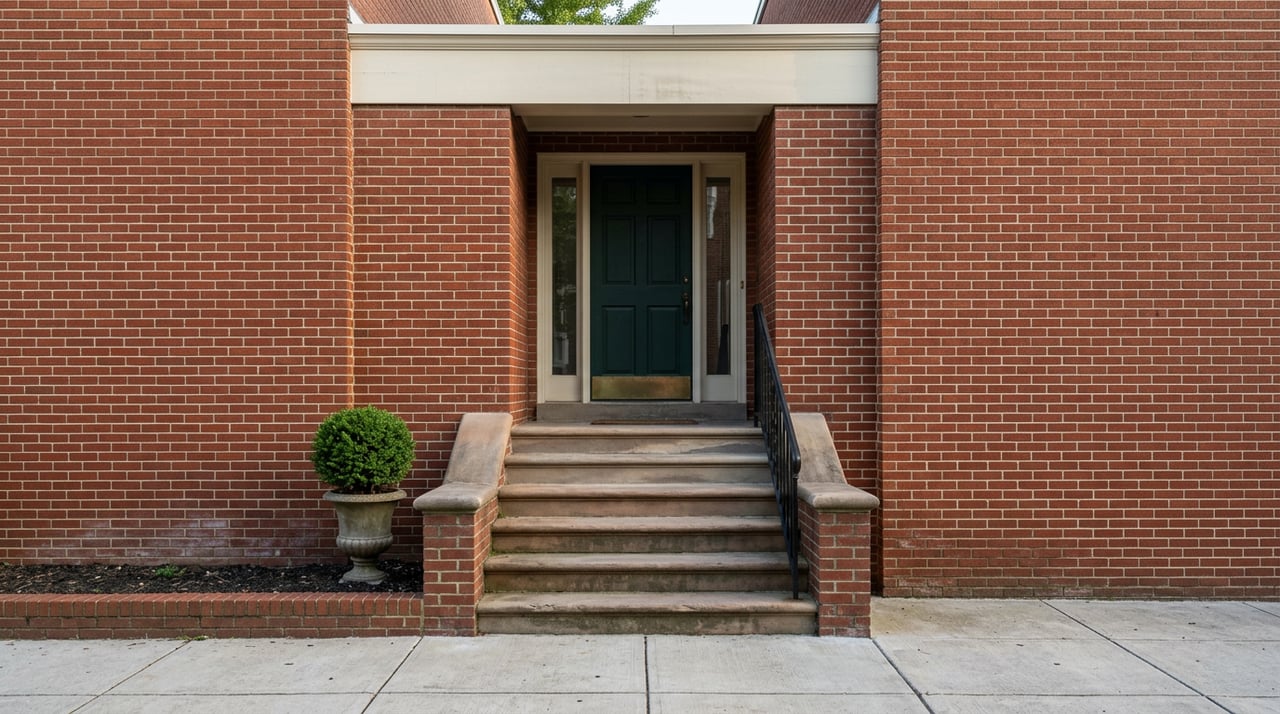
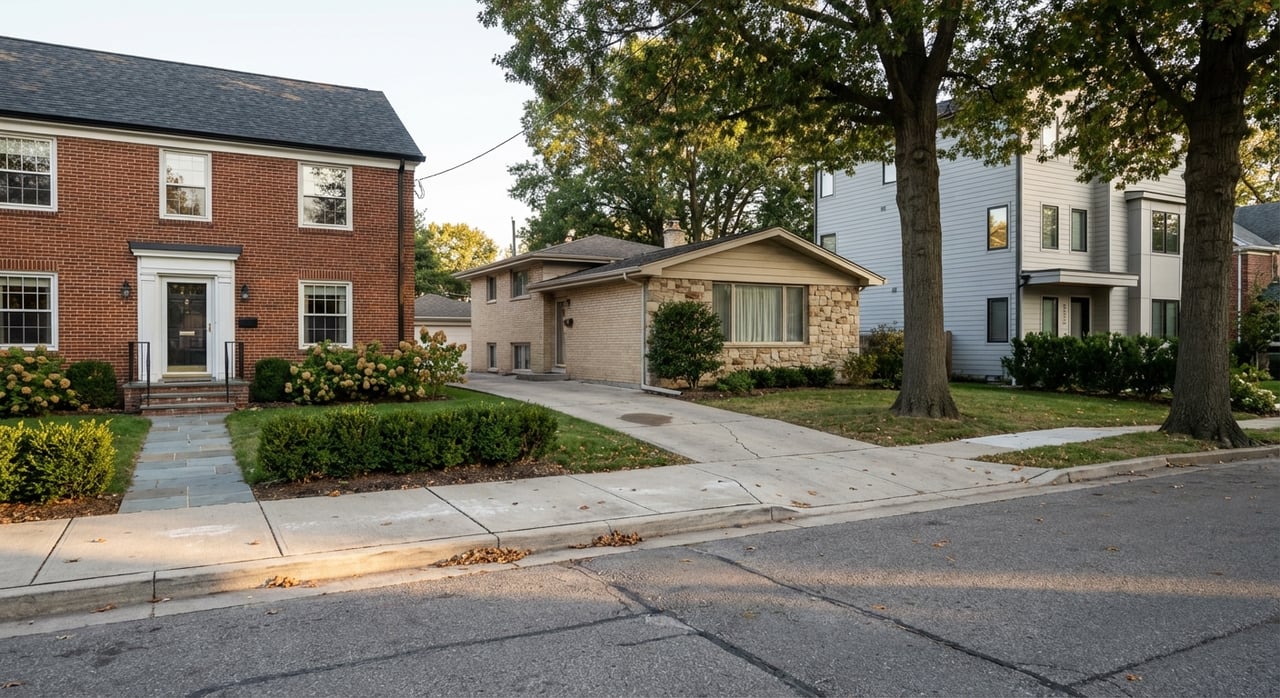
Bergen offers everything from prewar Colonials and Tudors to modern townhomes and high-rise condos. Towns vary by lot size and architecture. Think about your must-haves: yard size, garage needs, renovation tolerance, and whether you prefer historic character or turnkey living.
Practical checks:
- Identify your non-negotiables: bedroom count, yard depth, and storage.
- Note whether the town has newer subdivisions or mostly older homes.
- Check local zoning or lot coverage rules if you plan to expand later.
Prices and taxes
Start with the county baseline, then go town by town. Bergen County’s median listing price typically sits in the low-to-mid 700s, though desirable suburbs and estates rise well above that. For context, review the current county market overview.
Property taxes are a major carrying cost. Bergen’s average residential tax bills are well above the national average, and some towns exceed 20,000 dollars. Before you fall in love with a home, model the monthly impact. You can browse town-by-town averages compiled from state data in this Bergen property tax breakdown.
Amenities and walkability
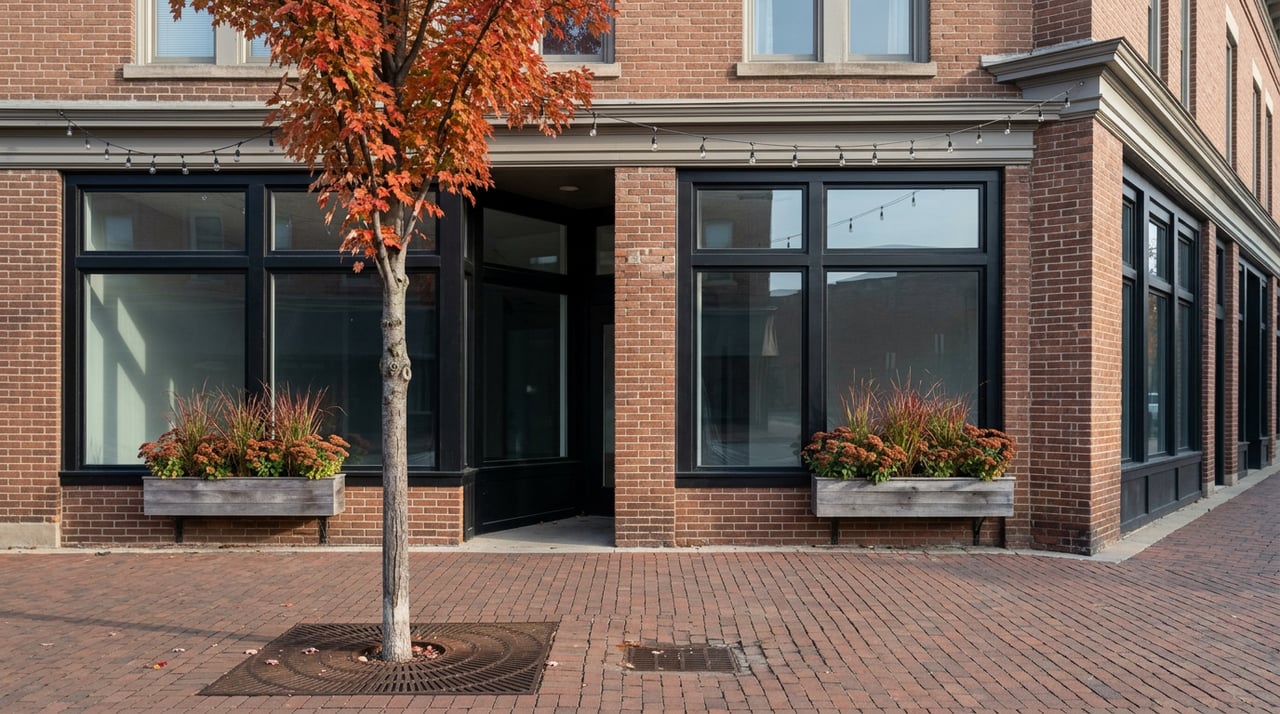
A walkable downtown, quick access to dining, and proximity to a train station or bus route often add value. Decide if you want a village feel, a car-oriented suburb with space, or a riverfront condo lifestyle with elevator convenience.
A simple way to compare towns
Step 1: Set hard lines
List your non-negotiables:
- Maximum total monthly housing cost including mortgage, taxes, and insurance
- Maximum commute time door to desk
- Minimum bedrooms and yard requirements
- Must-have school features or programs
Step 2: Score what is flexible
Rate each town 0 to 10 for these items, then apply the weights below.
- Schools quality and fit
- Commute access and reliability
- Price and property taxes
- Housing style and lot match
- Amenities and walkability
Suggested weights for many NYC relocators: Schools 30 percent, Commute 25 percent, Price and Taxes 20 percent, Housing Style 15 percent, Amenities 10 percent.
Step 3: Build your short list
Sort by weighted score, then schedule drive-bys and a commute test. You will quickly see which two or three towns deserve a tour day.
Town matchups: real tradeoffs
Tenafly vs Fort Lee: schools vs speed to Manhattan
- Tenafly: Buyers often target Tenafly for its well-regarded public schools and neighborhood feel. Market pricing typically sits in the higher band for Bergen family suburbs, and competition can be strong. See current trends on the Tenafly market page.
- Fort Lee: If a short bus ride or quick GWB drive is your top priority, Fort Lee delivers frequent transit and condo variety. Single-family prices tend to be lower than top-tier school suburbs, while high-rise living offers convenience. Review the Fort Lee market snapshot.
Use case: You work in Midtown, want a faster commute, and prefer condo amenities. Fort Lee likely scores higher on commute and price. If school priorities and single-family living lead, Tenafly may rise to the top.
Ridgewood vs Hackensack: village walkability vs urban value
- Ridgewood: A walkable downtown centered on the train station and a mix of prewar Colonials and Tudors draw buyers who want a classic village vibe plus rail access. Prices often run in the upper tiers for Bergen suburbs. Explore the Ridgewood housing trends.
- Hackensack (07601): As Bergen’s county seat, Hackensack offers varied housing, ongoing redevelopment, and relative affordability compared with many suburbs. Commute options are strong from the downtown core. Check today’s Hackensack market signals.
Use case: You want a lively downtown and a train-adjacent lifestyle but need value. Hackensack often wins on price and access. If you want a village feel and prewar character with a premium rail town vibe, Ridgewood could be worth the stretch.
Northwest suburbs vs Edgewater: acreage vs riverfront convenience
- Wyckoff, Franklin Lakes, Upper Saddle River, Saddle River: These northwest towns offer larger lots, privacy, and estate-style homes. They often trade space and quiet for car dependence and longer NYC commutes.
- Edgewater and nearby Gold Coast: Modern condos and townhomes, quick bus or ferry access to Midtown, and riverfront amenities define this corridor. For a quick pricing pulse and context across Gold Coast towns, review this regional price guide.
Use case: You want yard space, privacy, and room to grow. The northwest suburbs likely top your housing-style score. If your time is tight and you want elevator living with fast transit, Edgewater and neighbors stand out.
Callouts to save you time
How to read a town’s property tax impact
- Look at two numbers: the average residential bill and the effective tax rate. A high-value town can show a large bill but a lower effective rate.
- Translate the annual bill into a monthly amount and add insurance and HOA if applicable.
- Compare similar-price homes across towns to see how taxes shift your monthly payment. Start with this town-by-town tax overview.
Transit options: one-seat ride vs transfer
- One-seat options reduce surprises but can be limited. Transfers can expand your town choices and sometimes cut total time when timed well.
- If you plan to drive to a station, confirm parking permit rules and waitlists.
- Test both peak and off-peak to confirm your real door-to-desk time. Here is a concise transit modes overview.
Three red flags to check on a showing
- Septic, well, or oil tank status if applicable, plus any remediation history
- Lot coverage and setback rules that could limit future additions
- School capacity signals if you are timing moves around specific grades
Due diligence before you tour
- Verify assigned schools and program fit directly with the district.
- Pull the most recent municipal tax bill or check state-reported town averages.
- Confirm commute options, station parking rules, and bus or ferry frequency.
- Review zoning and any HOA rules if you plan to expand or add a pool.
- Drive the neighborhood at night and on weekends to gauge noise and traffic.
What this means for your search
If you score towns on schools, commute, price and taxes, housing style, and amenities, your top two or three choices will become clear. From there, you can tour with purpose, compare real carrying costs, and put in strong, informed offers. If you need a hands-on partner to pressure test commute times, confirm tax bills, and benchmark pricing against live MLS data, I am here to help.
Ready to find your best-fit Bergen County town? Let’s build your short list and tour with a plan. Reach out to Monica Capellan for a concise consult and next steps.
FAQs
How should a NYC commuter compare Bergen towns?
- Start with commute mode first, then layer schools and taxes. If you want the fastest Midtown access, consider bus and ferry towns like Fort Lee or Edgewater. If you value rail, focus on Main, Bergen County, or Pascack Valley line towns.
How do Bergen property taxes affect affordability?
- Taxes vary by town and can add hundreds to your monthly payment. Compare similar-price homes across towns and use town averages from state-reported tables to model the monthly impact before you tour.
What is the best way to weigh schools in a home search?
- Review district pages and NJDOE reports, then visit campuses. Research suggests school quality is priced into homes, so confirm assigned schools for a specific address before you write an offer.
Ridgewood vs Hackensack for first-time buyers: what is the key tradeoff?
- Ridgewood offers a village downtown and rail-town feel, often at higher prices. Hackensack provides strong access, varied housing, and relative affordability that can unlock more space or a shorter path to ownership.
When should I use a one-seat ride as a hard requirement?
- If your schedule is rigid or you need to minimize risk, make one-seat transit a non-negotiable. If you have flexibility, a transfer can widen your town options and sometimes shorten total travel time.