Thinking about buying a storefront with apartments above in Hudson County? It can be a smart way to combine rental income, location value, and long-term upside, but it is not the same as buying a standard multifamily property. If you are just getting started, understanding zoning, rent rules, financing, and property risk can help you avoid costly surprises. Let’s dive in.
What Mixed-Use Means Here
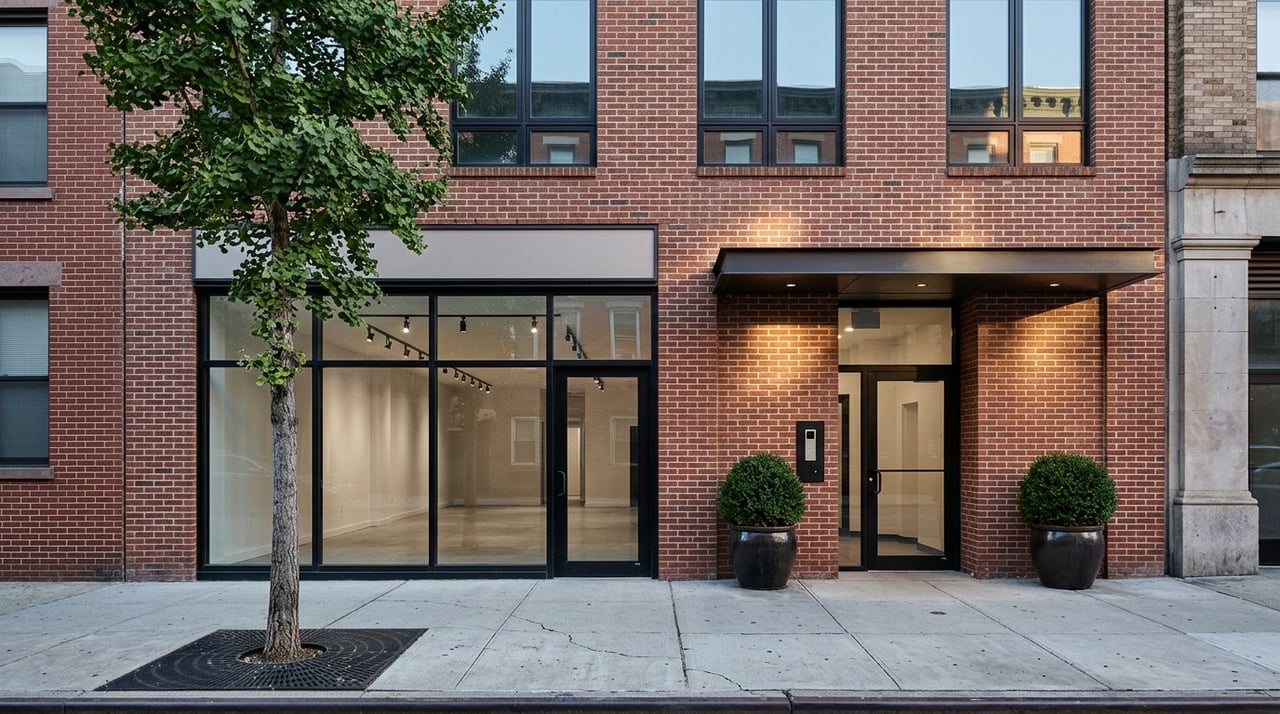
In Hudson County, mixed-use usually means a property that combines residential space and business space in the same building or on the same parcel. In practical terms, that often looks like a ground-floor retail or service space with apartments above, or a neighborhood commercial building with upper-floor residential or office space.
You may also come across smaller owner-occupied properties where one unit includes a business use, such as a personal service office or similar setup. The key point is that mixed-use is not one single property type. The layout, legal use, and financing path can vary a lot from one building to the next.
Why Hudson County Gets Investor Attention
Hudson County gives mixed-use investors something they usually want on both sides of the rent roll: housing demand and business activity. In 2024, the county had 735,033 residents and 326,988 housing units, with just a 30.7% owner-occupied rate and a median gross rent of $1,894.
Jersey City is even more renter-heavy, with a 27.9% owner-occupied rate and a median gross rent of $2,007. That matters because a mixed-use investment often depends on keeping residential units leased while also maintaining a viable commercial tenant.
The county also benefits from a strong transit network. The Hudson County Master Plan points to NJ Transit commuter rail, PATH, buses, ferries, and hubs such as Journal Square, Exchange Place, and Hoboken Terminal, all of which support compact development patterns and active commercial corridors.
For investors, that transit access can shape both tenant demand and long-term property appeal. New Jersey planning guidance also supports compact, mixed-use development, especially in walkable areas connected to transit.
Hudson County Mixed-Use Patterns
If you are searching for your first deal, it helps to know what commonly shows up in this market. In Hudson County, you will often see a few repeat formats.
Storefront With Apartments Above
This is one of the most familiar mixed-use layouts in the county. A commercial space sits at street level, while one or more residential units occupy the upper floors.
These properties are common in neighborhood business corridors and can offer income diversification. If one side underperforms temporarily, the other side may help support the property.
Business Building With Upper Floors
Some buildings include a business use on the lower level and either office or residential space above. These can be attractive if the location supports steady business traffic and the upper floors have practical layouts.
In these cases, your underwriting should account for two separate demand drivers. Residential demand and commercial demand do not always move in lockstep.
Owner-Occupied Live/Work Style Setups
You may also find buildings where an owner runs a business from part of the property and lives in the residential portion. This setup can be useful for some buyers, but financing rules can be very different from those for a standard investor purchase.
That distinction matters early. A property that works well for an owner-user may not fit the loan structure of a passive investor.
Start With Zoning First
Before you get too attached to any property, confirm that the current layout and use are legal in that municipality. Hudson County does not have one countywide mixed-use rule, and the county includes many small municipalities with their own zoning frameworks.
That means a mixed-use building in one town may be allowed by right, while a very similar building in another town may face tighter restrictions. Local zoning review is one of the first steps, not something to leave until the end.
Jersey City and Hoboken Show Why Local Rules Matter
Jersey City offers a clear example of how local zoning supports mixed-use in certain areas. Its RC districts recognize historic mixed-use neighborhood business districts, and its NC districts provide for ground-floor commercial with residential apartments above the ground floor.
Hoboken also illustrates the need for town-by-town review. The city states that many commercial uses are permitted along Washington Street and in the Central Business District, while residential districts are more limited.
Watch for Legal Nonconforming Use
Older Hudson County properties can be legal nonconforming. In simple terms, that means a use may no longer match current zoning but can still remain lawful because it predates the current rule.
This is an important due diligence issue. You should confirm whether the current use is fully permitted or legally grandfathered before assuming you can keep the same setup, lease it the same way, or re-tenant the commercial space after closing.
Understand Rent Regulation By Municipality
On the residential side, rent regulation can materially affect your numbers. In Hudson County, this is not a one-size-fits-all issue.
For example, Jersey City’s landlord and tenant office says that all 1 to 4 unit properties are exempt from rent control. Hoboken’s rent-leveling office handles issues such as legal base rent, permitted increases, vacancy decontrol, and annual registration requirements.
That means two mixed-use buildings with similar income can underwrite very differently depending on where they are located and how many units they contain. If you are comparing deals across municipalities, this should be part of your first-pass review.
Underwrite Residential and Commercial Separately
A mixed-use property is not just an apartment building with a bonus storefront. It is really two income profiles living in one asset.
The residential units should be reviewed against local rent benchmarks, unit count, and any local rent regulation that may apply. On top of that, the commercial portion should be evaluated as an operating location with its own lease strength, visibility, signage needs, and replacement-tenant risk.
Use Rent Benchmarks Carefully
HUD’s FY 2026 Fair Market Rents for the Jersey City HMFA, which includes Hudson County, are $2,407 for a studio, $2,458 for a one-bedroom, $2,763 for a two-bedroom, $3,367 for a three-bedroom, and $3,955 for a four-bedroom. These figures are not the same as market rent for every building, but they can serve as a useful benchmark when you are pressure-testing the residential side of a deal.
They are especially helpful when you want to understand whether the apartment income is doing enough work to support debt service and operating costs. In mixed-use investing, the residential portion often provides stability when the commercial side turns over.
Do Not Overvalue a Highly Customized Storefront
A commercial space that looks impressive is not always a stronger investment. Fannie Mae’s mixed-use appraisal guidance notes that the appraiser must confirm legal use, describe the mixed-use features, and consider whether the commercial use hurts marketability.
That practical takeaway is important for first-time investors. If a storefront is highly specialized, it may not add value dollar-for-dollar if it narrows the future buyer or tenant pool.
Expect More Complexity Than Standard Multifamily
Mixed-use investing can offer flexibility and multiple income streams, but it also brings more moving parts. A vacant storefront can be more disruptive than a single apartment turnover because the commercial side may involve different lease terms, build-out needs, code issues, and marketing timelines.
You are also dealing with a property type that may require more coordination across zoning, certificates of occupancy, signage, and tenant fit. For that reason, your reserves and timeline assumptions should usually be more conservative than they would be for a simple residential rental.
Financing Is a Major Fork in the Road
One of the biggest early questions is whether your purchase fits residential financing rules or needs commercial-style underwriting. This is where many first-time mixed-use buyers get surprised.
Fannie Mae’s mixed-use policy is limited to a one-unit dwelling occupied by the borrower as a principal residence, and the borrower must also own and operate the business. Freddie Mac also purchases mortgages secured by residential properties with mixed-use characteristics, but that does not mean every investor deal will fit standard conforming financing.
When Commercial Financing Is More Likely
If you are buying an investor-grade mixed-use property in Hudson County, you will often need portfolio, bridge, or commercial permanent financing rather than a standard conforming residential loan. This is especially true when the property has multiple residential units, a separate commercial tenant, or no owner-occupancy component.
For owner-users, SBA financing may come into play in the right situation. But SBA programs are generally designed around an operating business using the real estate, not passive investment in rental property.
Flood Risk Needs Its Own Review
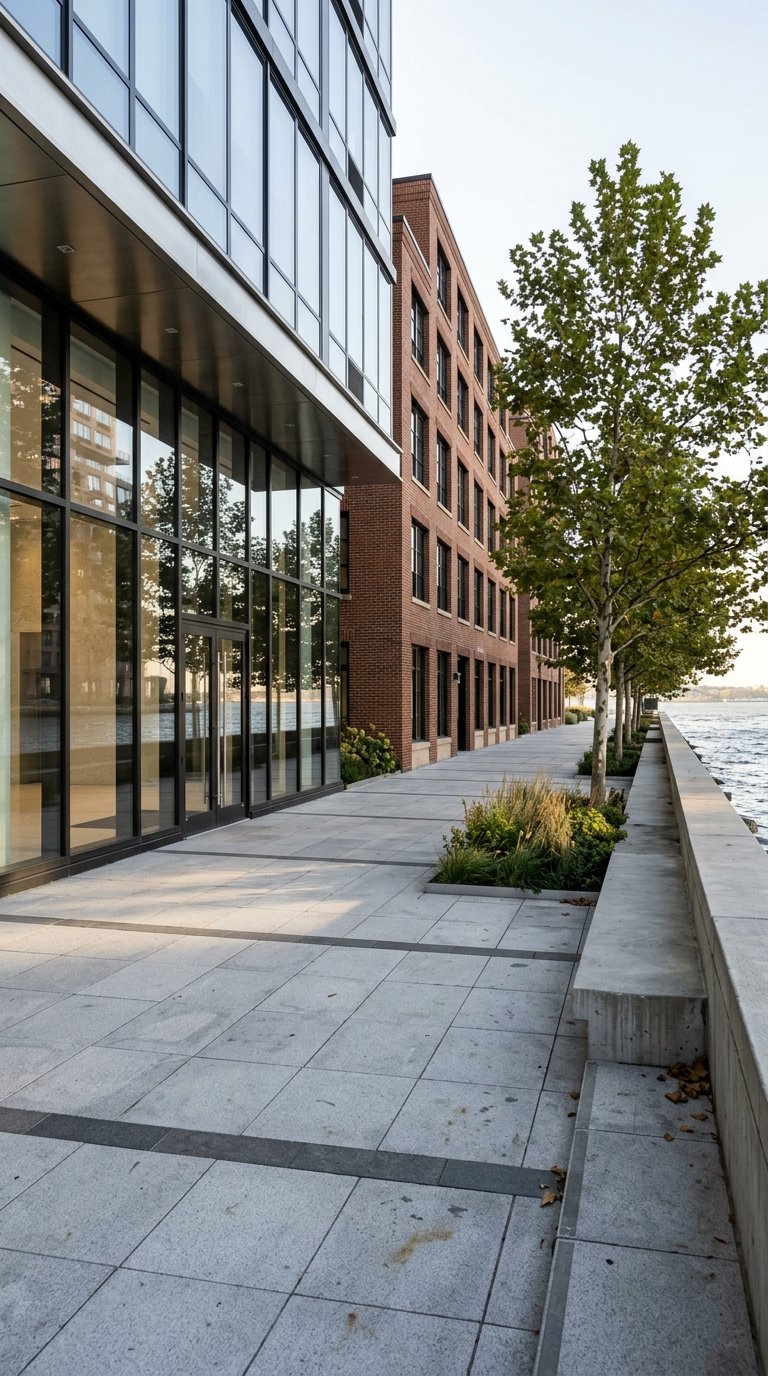
In parts of Hudson County, flood exposure deserves separate attention. Waterfront and low-lying parcels can carry added insurance, resilience, and compliance considerations.
The official source for flood hazard maps is FEMA’s Flood Map Service Center. At the same time, the New Jersey Department of Environmental Protection warns that flooding is not limited to official FEMA flood zones, and the state’s 2026 REAL rule update reflects more aggressive coastal flood standards.
That means you should not treat flood review as a box to check at the end. It belongs in your early underwriting, especially if the location is near the waterfront or in another low-lying area.
A Simple First-Pass Checklist
If you are evaluating your first mixed-use opportunity in Hudson County, start with a disciplined framework:
- Confirm the current use is legal or legal nonconforming
- Review the municipality’s zoning rules and required approvals
- Check whether the residential units are affected by local rent regulation
- Separate residential income analysis from commercial income analysis
- Stress-test vacancy on the storefront side
- Ask what type of financing the property will realistically require
- Review flood exposure and likely insurance implications
- Verify certificates of occupancy, signage, and use-related approvals where relevant
A good mixed-use deal is rarely just about the cap rate. In Hudson County, the strongest opportunities are usually the ones where local zoning, lease structure, tenant demand, and financing all line up cleanly.
Why Local Guidance Matters
Because Hudson County is fragmented municipality by municipality, mixed-use investing here rewards local knowledge. The details that shape value are often highly specific to the block, the zoning district, the rent rules, and the financing lane.
If you are buying in places like Weehawken, West New York, North Bergen, Jersey City, or Hoboken, small differences in local policy can have a big effect on your return and risk. Having clear, practical guidance at the front end can save you time and protect your downside.
If you are exploring a mixed-use purchase in Hudson County and want a practical, local perspective, connect with Monica Capellan for a consultation tailored to your goals.
FAQs
What is a mixed-use property in Hudson County?
- A mixed-use property typically combines residential space and business space in the same building or on the same parcel, such as a storefront with apartments above.
Why do Hudson County investors look at mixed-use buildings?
- Many investors are drawn to Hudson County because of its dense population, renter-heavy housing profile, active commercial corridors, and strong transit network.
Does zoning for mixed-use property vary across Hudson County towns?
- Yes. Hudson County does not have one countywide mixed-use rule, so zoning and permitted uses can differ significantly by municipality.
How does rent control affect Hudson County mixed-use investing?
- Rent regulation can change the numbers materially because local rules differ by municipality and, in some cases, by unit count.
Can you use a standard residential loan for a Hudson County mixed-use purchase?
- Sometimes, but many investor-grade mixed-use buildings require portfolio, bridge, or commercial financing rather than standard conforming residential financing.
Why is flood risk important for Hudson County mixed-use properties?
- Flood exposure can affect insurance costs, long-term risk, and property planning, especially for waterfront or low-lying parcels.