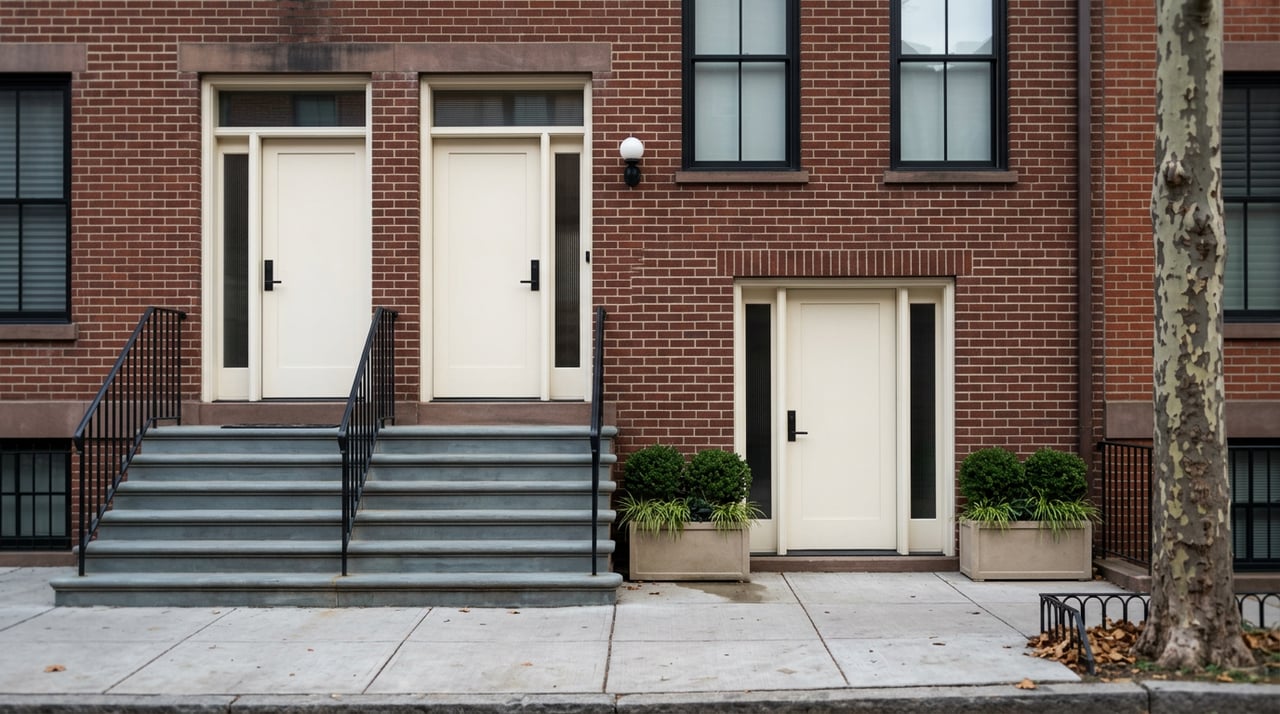
If you could live in Hudson County and have your neighbors help pay the mortgage, would you? House hacking lets you do exactly that by buying a small multifamily, living in one unit, and renting the others. It is a smart path for first‑time buyers who want to stay near NYC transit while building equity.
In this guide, you will learn why house hacking fits Hudson County, how to finance a 2–4 unit building, what local rules to check before you offer, and how to run realistic numbers. You will also get a simple, step‑by‑step plan to move from idea to keys. Let’s dive in.
Why house hacking works in Hudson County
Hudson County blends high renter demand with a deep stock of 2–4 unit buildings. Transit access, proximity to Manhattan, and walkable neighborhoods support steady occupancy. County data platforms also show a meaningful base of small multifamily properties, especially near PATH and ferry lines, which is ideal for live‑in owners who plan to rent extra units. You can review county‑level stock and tax context through sources like the Hudson County property data summary.
Rents are strong enough to offset a large share of your monthly payment. For example, in Jersey City, recent rent trackers place median 1‑bedroom rents in the low‑to‑mid $2,700 to $3,200 range, with 2‑bedroom units higher and wide neighborhood variation. Check current comps by zip and building type using a neighborhood rent index such as Zumper’s Jersey City rent research.
Multifamily types to target
You will see classic 2‑family and 3‑family rowhouses, small walk‑ups, and older frame homes with garden or top‑floor units. A duplex is the most common starting point. Triplex and fourplex deals can boost income, but they add financing complexity and higher reserve requirements. Older buildings may need updates, so plan for inspections and potential renovation financing.
Financing options that open doors
FHA 1–4 units: low down payment
FHA allows you to buy a 1–4 unit property with a low down payment when you will live in one unit. Many buyers qualify with as little as 3.5% down at the applicable credit score, and FHA requires that you move in within a set period and intend to remain. Program rules for occupancy, eligibility, and documentation are detailed in the HUD Single‑Family Policy Handbook (4000.1).
FHA loan limits vary by county and by unit count, which matters in a high‑cost market like Hudson County. Before you run numbers, confirm today’s limits using the HUD mortgage limits lookup.
Conventional 2–4 units: competitive alternatives
Fannie Mae and Freddie Mac both support owner‑occupied 2–4 unit purchases. Recent updates have expanded low‑down options, and many buyers can access 5% down on owner‑occupied 2–4 units, subject to underwriting and automated findings. Expect more exacting credit, reserve, and documentation standards than FHA at some lenders. Review current product guidance through Fannie Mae’s eligibility matrix and selling guide references and compare quotes across lenders.
Renovation loans for older buildings
If the property needs work to become safely habitable and rent‑ready, ask about FHA 203(k) or conventional renovation products. These can roll repair costs into your loan. Renovation loans involve extra steps, consultants, and inspections, so plan timelines and budgets carefully.
How lenders count rent to help you qualify
One of the biggest advantages of house hacking is the ability to use projected rental income from the other units to qualify.
- FHA approach: When there is no rental history, lenders commonly use the appraiser’s market rent estimate, then subtract a standard allowance for vacancy and expenses. A typical example uses 75% of the fair market rent on non‑owner units for qualifying. For 3–4 unit properties, a self‑sufficiency test can also apply. See practical explanations aligned with HUD guidance in this FHA rental income overview, and confirm specifics with your lender.
- Conventional approach: Fannie/Freddie also allow prospective rental income on owner‑occupied 2–4 unit purchases, but reserve requirements and documentation often vary by program and automated findings. Ask your lender early for exact treatment.
Tip: Make sure your appraiser provides the comparable rent schedule your lender requires. That report is key for underwriting when leases do not yet exist.
Local rules to check before you offer
Hudson County is a collection of municipalities, and local registration or rent‑leveling rules can shape your cash flow. Do this homework before you submit an offer.
Registration and rent‑leveling
- Jersey City: The city maintains landlord registration requirements and an active rent‑leveling program. Review forms, timelines, and compliance steps through the Division of Housing Preservation.
- Hoboken: Hoboken has an active rent‑leveling and stabilization office with registration processes and compliance guidance. Visit the Rent Leveling & Stabilization Office for current rules.
These rules may require unit registration, rent histories, lead‑safe documentation, and inspections. They can also influence how and when you can increase rents.
Lead, COs, and habitability
- Lead disclosures and renovation: If the building was built before 1978, you must provide federal lead disclosures to tenants and use lead‑safe practices for any renovation that disturbs paint. Learn about required training and certifications through the EPA’s RRP program.
- Legal unit status: Verify that every unit is legal and has the proper certificate of occupancy. Illegal conversions can derail financing and cause delays. Confirm status with the municipal building department.
- Habitability and code: New Jersey habitability standards cover heat, hot water, and essential services. Failure to maintain habitability can lead to fines and legal issues. Build routine maintenance into your budget and process.
Security deposits and tenant handling
New Jersey caps residential security deposits and requires you to handle them in a specific way. Review the state’s guidance, including the 1.5 times monthly rent ceiling and interest and accounting rules, in the NJ DCA security deposit bulletin. Accurate deposit handling protects your cash flow and reduces risk during turnovers.
What rents and costs look like
Every property is different, but these categories are common in a Hudson County pro forma:
- Property taxes: Check the assessor’s data for the parcel and budget for possible reassessment. County datasets like the Hudson County property data summary can help you understand the landscape before you pull exact figures.
- Insurance: A landlord policy covering multiple units and loss of rent usually costs more than a standard homeowner policy. Get quotes before you offer.
- Maintenance and capital: Older buildings often need a steady reserve for boilers, roofs, and electrical or plumbing upgrades. Many buyers budget 1% to 2% of purchase price per year as a starting point and set aside extra for capital replacements.
- Vacancy and collection loss: When building a conservative pro forma, apply a vacancy or operating allowance. FHA underwriting examples often use 25% when there is no rental history, while some conventional pro formas use 5% to 10% vacancy based on market conditions.
- Property management: If you hire a manager, plan for a monthly fee as a percentage of collected rent. Self‑management can save money but requires time, systems, and clear communication with tenants.
Quick illustrative numbers
Consider an example duplex at $650,000 with a 3.5% down FHA loan. Your down payment would be about $22,750. If projected rents are $2,800 for a 2‑bedroom and $2,200 for a 1‑bedroom, that is $5,000 in gross monthly rent. For qualification under FHA, the lender may start with the appraiser’s rent schedule and then use 75% of those non‑owner rents to account for vacancy and operating costs. That would result in about $3,750 of effective rental income for underwriting. From the gross rent, you will still budget for taxes, insurance, reserves, possible management, and routine maintenance. These are illustrative figures. Always run the latest numbers with your lender and appraiser.
A step‑by‑step plan to house hack
Follow this process to move from research to closing with fewer surprises:
- Define your goal and unit mix
- Decide if you want a duplex, triplex, or fourplex. More units raise income potential but can increase reserve requirements or trigger extra underwriting tests.
- Talk to lenders early
- Get pre‑approved for a specific product, such as FHA 3.5% down or a 5% down conventional owner‑occupied 2–4 unit option. Ask about rental income treatment, reserves, and documentation. Review program rules with the HUD Single‑Family Policy Handbook and compare conventional options using Fannie Mae’s eligibility matrix. Confirm today’s county loan limits with the HUD mortgage limits lookup.
- Confirm municipal compliance before offering
- Verify legal unit status and certificates of occupancy with the building department. Check rent‑leveling and registration rules with the municipal housing office, starting with resources like Jersey City’s Division of Housing Preservation and Hoboken’s Rent Leveling & Stabilization Office. Ask your agent to include a municipal status contingency if anything is unclear.
- Inspect and scope work
- Order a full building inspection that covers structure, roof, heating, plumbing, and electrical. If the property is pre‑1978, plan for federal lead disclosure and use contractors who follow the EPA RRP lead‑safe rules. If work is needed, discuss FHA 203(k) or a conventional renovation loan with your lender.
- Build a conservative pro forma
- Base rent on current signed leases or the appraiser’s rent schedule. Apply realistic allowances: FHA examples often use 25% when there is no rental history. Add line items for taxes, insurance, reserves, and management. Use this pro forma to set your offer price and comfort level.
- Write a strong, protected offer
- Include inspection and financing contingencies, and add a CO or municipal clearance contingency if unit status is not documented. If renovations are part of the plan, confirm work scopes and lender requirements for holdbacks or consultant oversight.
- Close and move in
- Satisfy owner‑occupancy certifications and timelines per your loan program. Set up leases for rented units, provide required disclosures, register your property if the municipality requires it, and update your insurance to a landlord policy.
- Manage well from day one
- If you self‑manage, use written leases aligned with New Jersey law, handle deposits per the NJ DCA bulletin, and track maintenance and communication. If you hire a manager, get a clear contract that defines services and fees.
Common mistakes to avoid
- Skipping unit legal status checks. An unpermitted unit can shut down your income plan and delay closing.
- Overestimating rent. Use current lease data or an appraiser’s rent schedule, and match unit size, condition, and location closely.
- Ignoring municipal registration. Missing filings can lead to fines and limit your ability to adjust rents.
- Under‑budgeting maintenance and reserves. Older buildings need consistent capital planning for roofs, boilers, and electrical work.
- Delaying insurance. Price a landlord policy early to avoid surprises during underwriting.
Ready to start your search?
House hacking can make Hudson County living more affordable while you build long‑term equity. If you want help comparing neighborhoods near PATH and ferry lines, understanding rent‑leveling rules, or structuring an offer that protects your upside, let’s talk. Request a free consultation with Monica Capellan and get a plan tailored to your goals.
FAQs
What is house hacking in Hudson County and why does it work?
- House hacking means you live in one unit of a small multifamily and rent the others. It works in Hudson County because renter demand is strong and 2–4 unit inventory is common near transit.
How much down payment do I need for a 2–4 unit owner‑occupied purchase?
- FHA often allows 3.5% down for qualified buyers who will occupy a unit, and many conventional options allow 5% down subject to underwriting; confirm details with the HUD Handbook and Fannie Mae’s eligibility matrix.
Can I use projected rent from other units to qualify for a mortgage?
- Yes, both FHA and conventional programs may count prospective rental income for owner‑occupied 2–4 units; FHA often uses 75% of appraiser‑estimated rent when there is no rental history, as outlined in this FHA rental income overview.
What local registrations apply in Jersey City and Hoboken?
- Both cities have landlord registration and rent‑leveling programs that can affect filings, inspections, and allowable increases; review Jersey City’s Housing Preservation page and Hoboken’s Rent Leveling office before you offer.
What are typical rents I can use for estimates in Jersey City?
- Rent varies by neighborhood and unit type; recent trackers show many 1‑bedrooms in the $2,700 to $3,200 range, with 2‑bedrooms higher. Start with Zumper’s Jersey City rent research and refine with an appraiser’s rent schedule.
What lead or safety steps apply to older buildings?
- For homes built before 1978, you must give federal lead disclosures and use lead‑safe practices during renovations that disturb paint; see the EPA RRP program for training and compliance.
How should I handle security deposits in New Jersey?
- Follow state rules that cap deposits at 1.5 times monthly rent and require interest and annual accounting; the NJ DCA bulletin explains the process.