A two-bedroom unit at 101 State Route 5 in Edgewater closed this past March for $572,500. Buried in the listing terms was a single line that tells you more about the current Edgewater condo market than any price-per-square-foot chart: the seller agreed to pay off a special assessment at closing. That is not a rare concession anymore. It is becoming the standard move for anyone selling in a building old enough to fall under New Jersey's structural inspection law, and the deadline that made it standard already came and went seven months ago.
If you are shopping River Road's older waterfront stock, the thing that should worry you is not the building's age by itself. Plenty of 1970s and 1980s condo towers along the Hudson are perfectly sound. What should worry you is whether the paperwork the state now requires actually exists, because as of this year that paperwork has to be handed to you before you sign anything.
A deadline that already came and went
New Jersey's Structural Integrity and Reserve Study law took effect January 8, 2024, folded into the state's existing Planned Real Estate Development Full Disclosure Act. It created two separate obligations for condo and co-op associations: a periodic structural inspection of the building's load-bearing system, and a capital reserve study projecting whether the association has enough money set aside to pay for major repairs over the next 30 years.
The inspection deadline is the one that matters right now. Any building that received its certificate of occupancy before January 8, 2009 was required to complete its first mandatory structural inspection by January 8, 2026. That date has passed. Buildings that opened more recently get more runway, with their first inspection due within a year of their 15th anniversary, but anything built before 2009 was already on the clock the day the law passed, and the clock ran out this winter.
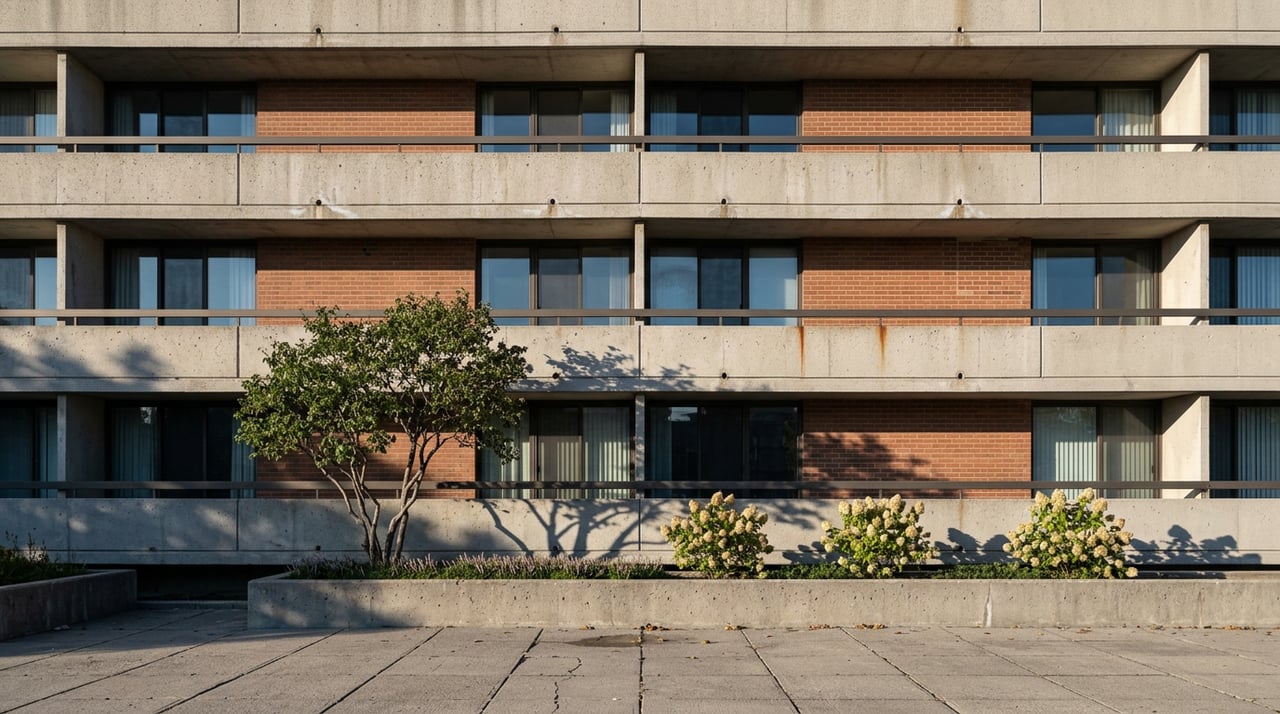
Height does not exempt a building from this rule. What matters is the material. The law covers any residential condo or co-op with a load-bearing system built from concrete, masonry, steel, or a hybrid of those, including buildings with podium decks over parking. Two well known names on River Road land squarely inside that definition because of when they were built. Waterside Condominiums at 1111 River Road went up in 1976, a three-story, 102-unit building. Independence Harbor, the gated 525-unit community spread across a 25-acre pier, was built in 1989. Both predate the 2009 cutoff by decades, which means both were legally required to have completed a first-ever structural inspection by a deadline that is now in the rearview mirror.
A structural engineer who has worked on compliance for buildings like these put it plainly to Bisnow: the goal of the law is to catch expensive problems before they turn into an emergency assessment nobody budgeted for.
What the reserve numbers actually restrict now
The inspection deadline gets the attention, but the reserve funding rules changed under a 2025 amendment, Senate Bill 3992, signed on August 21 of that year, and those rules are what show up on your closing documents.
Before the amendment, associations that fell behind on funding could use something regulators called a glide path, essentially a slow ramp back to full funding with no hard floor. That option is gone. The current standard requires a 30-year plan showing the reserve balance never drops below zero. If an association cannot hit that baseline, it has one temporary escape hatch: fund at 85 percent of the recommended plan for up to five fiscal years.
Here is the part that actually reaches a buyer. If a board elects the 85 percent option, it has to send every owner a notice in at least 20-point bold font stating that the reserve is underfunded, along with the year and dollar amount of any special assessment or loan the shortfall is expected to trigger. And if a unit sells while that election is active, the seller has to hand the buyer a copy of that same notice before the deal is done. This is not boilerplate disclosure language buried in an attorney's letter. It is a specific, dated financial warning that has to physically change hands before closing.
The assessment your contract can't route around
There is one more wrinkle worth knowing before you make an offer on an older building. If a board needs to levy a special assessment specifically to pay for a structural repair identified by the inspection, no owner vote is required, regardless of what the governing documents say. The board can act. That is the mechanism behind the Route 5 listing that opened this piece. Rather than let an unresolved assessment scare off buyers or drag out negotiations, the seller simply agreed to satisfy it at the closing table, and the deal moved forward on schedule.
Expect to see more of that arrangement this year in Edgewater's older inventory, not because buildings are falling apart, but because the law now forces the financial condition of the building into daylight at exactly the moment a sale is happening.
Documents worth asking for before you sign
If you are looking at a unit in any Edgewater building built before 2009, ask your agent or attorney to pull these before you go under contract:
- The association's most recent capital reserve study, and the date it was completed
- The written structural inspection report, including any corrective maintenance items the engineer flagged
- A copy of the 20-point bold font notice if the association has elected the 85 percent funding option, including the projected assessment year and amount
- The current operating budget, to see whether dues already reflect the reserve study's recommendations
- Recent board meeting minutes, which often mention a pending assessment before it becomes official
A reserve study for a mid-size Edgewater building typically runs $3,000 to $8,000, more for larger or more complex properties. That is the association's cost, not yours, but it tells you something if a building your size has never had one.
Why lenders are asking the same questions
This is not only a buyer's concern. Fannie Mae and FHA both require condo projects to demonstrate adequate reserves before they will approve financing on units inside them. A building that cannot produce a current reserve study, or one that shows funding well below the recommended level, can lose its lending eligibility altogether, which makes units inside it harder to finance for every future buyer, not just you. That is one more reason the paperwork trail matters more than the building's finish level or its view of the skyline.
A few questions worth settling early
Does this apply to co-ops as well as condos? Yes. The law covers both condominium and cooperative associations with the qualifying load-bearing structure, not just condos.
What if the building was built after 2009? It is still covered, just on a longer runway. The first inspection is due within one year of the building's 15th anniversary rather than by the 2026 hard deadline.
Who pays for the reserve study itself? The association, funded through dues, not the individual buyer or seller in a transaction. What a buyer inherits is the outcome of that study, not its cost.
If you are looking at a unit in an older River Road building, the price per square foot is the easy part to compare. The harder part is knowing which documents to ask for and what a missing one actually means for your closing date. That is the kind of local, building-by-building knowledge Monica Capellan works through with clients before they write an offer, not after. If you are weighing a purchase in Edgewater's older condo stock, reach out for a free consultation or home valuation and get the paperwork question answered before it becomes a closing table surprise.