Buying a townhome in Bergen County can feel like choosing between the ease of condo living and the independence of a single-family home. If you want more space, a private entrance, and less exterior upkeep than a detached house, a townhome may be the right fit, but only if you understand what you are actually buying. This guide will help you sort through ownership, costs, rules, and what to check before you make an offer. Let’s dive in.
Why Bergen County townhomes attract buyers
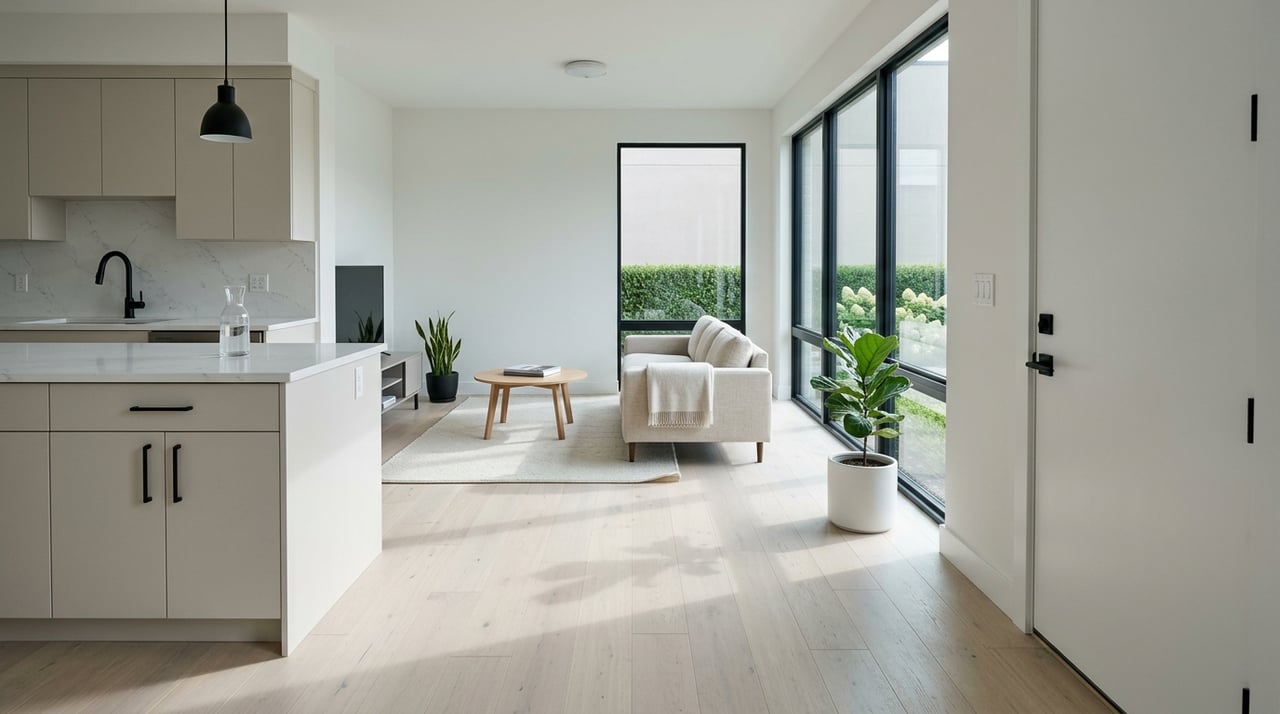
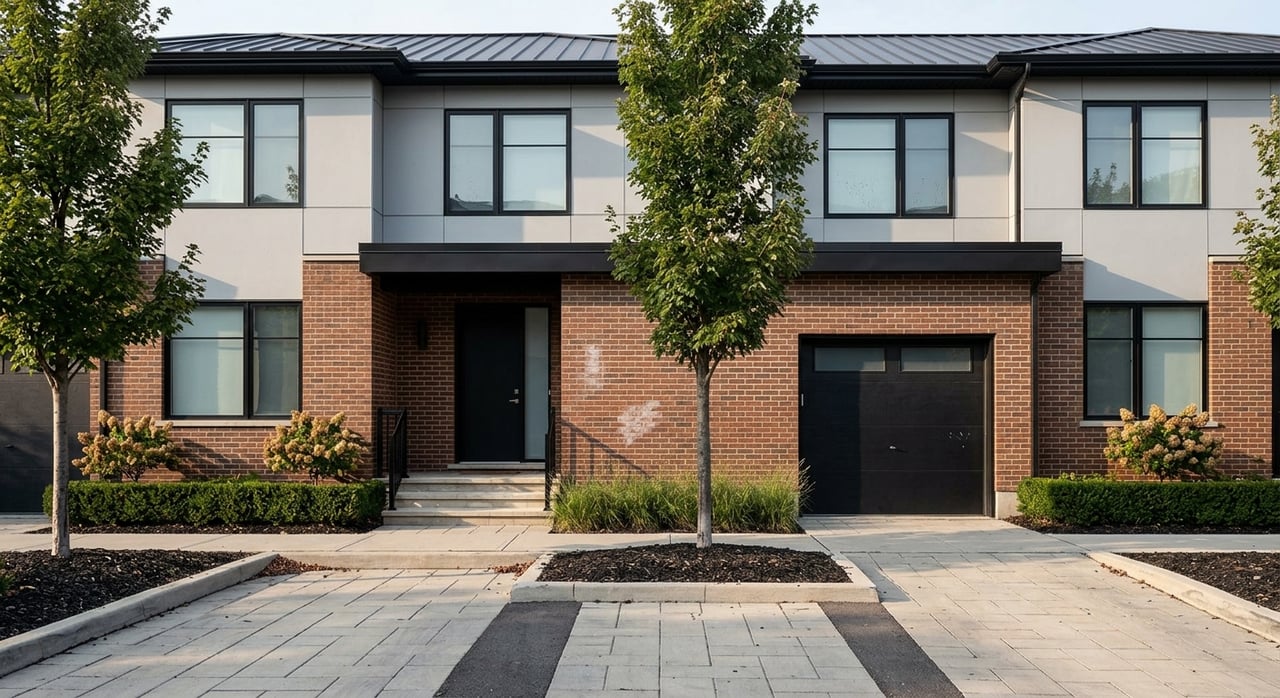
Townhomes often appeal to buyers who want a more house-like layout without taking on every part of exterior maintenance themselves. In Bergen County, many townhomes offer multi-level living, attached garages, patios or terraces, and lower-level bonus space.
That combination can work well if you need flexible room for a home office, guests, hobbies, or storage. In some communities, you may also find amenities like pools, clubhouses, or fitness centers, which can add convenience to daily life.
What “townhome” means in Bergen County
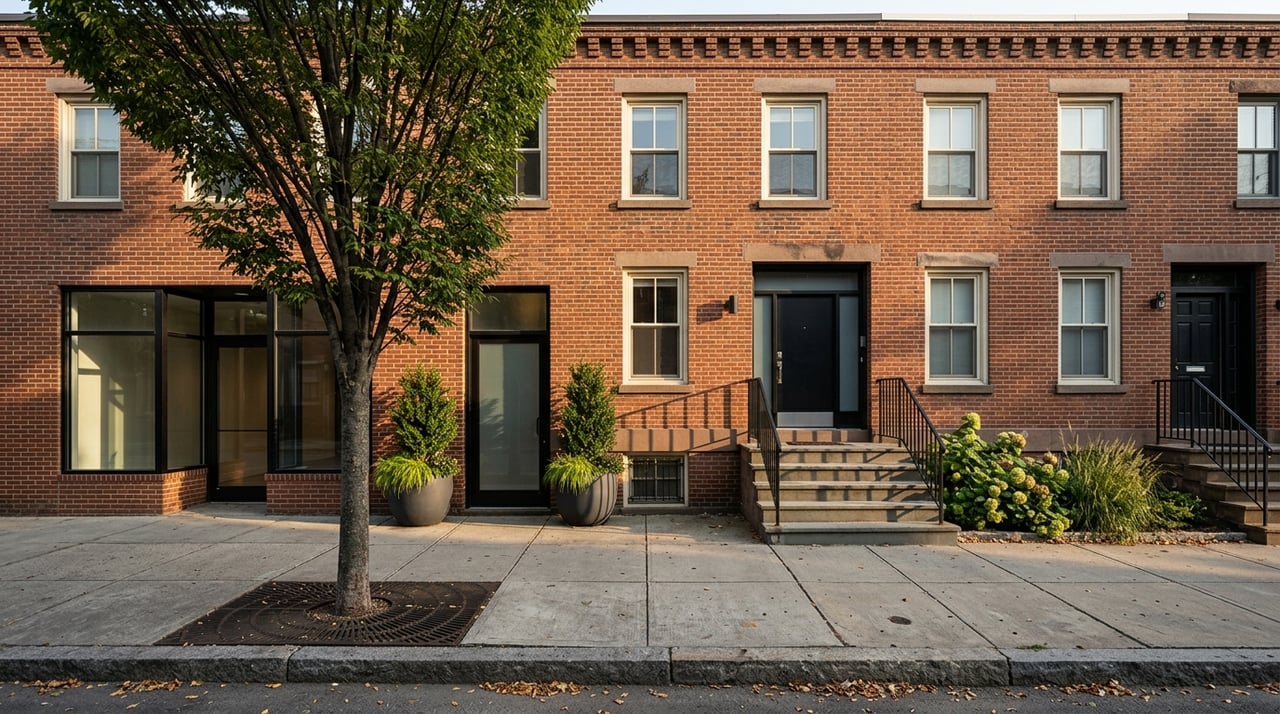
In Bergen County, “townhome” usually describes the style of the property, not the legal ownership structure. That distinction matters because your rights, responsibilities, and monthly costs may change depending on how the community is set up.
You may be buying one of two common ownership types:
- Fee simple ownership, where you own the unit individually
- Condominium-style ownership, where you own the unit plus an undivided interest in common elements under a master deed
This is one of the first things you should confirm before making an offer. The marketing description alone does not tell you who maintains the roof, siding, lawn, parking, or shared areas.
How maintenance responsibilities can differ
A townhome can seem straightforward when you first tour it, but the maintenance split may be more complex than expected. In New Jersey, common areas may include parking lots, lawns, hallways, basements, and exterior elements such as siding, windows, doors, or roofs.
In some fee-simple townhouse communities, the association may handle little or no residential building maintenance. In condominium-style communities, the association often has broader responsibility for common elements, but you still need to verify the exact terms in the deed, bylaws, and association documents.
Before you move forward, make sure you know who is responsible for:
- Roof repairs or replacement
- Siding, windows, and exterior doors
- Lawn care and landscaping
- Driveways, parking lots, and guest parking areas
- Shared amenities and common spaces
Typical Bergen County townhome features
Current Bergen County listings show several features that come up again and again. Many townhomes have multi-level floor plans, attached garages, patios, terraces, unfinished basements, or bonus lower-level rooms.
For many buyers, parking is just as important as square footage. You should confirm whether the property includes an attached garage, assigned spaces, guest parking, or parking rules controlled by the association.
That step matters because some parking areas may be common area, while others may be limited common elements reserved for specific units. If you have multiple cars or regular visitors, clear parking information can save you frustration later.
How townhomes compare on price
As of July 5, 2026, there were 159 townhouses for sale in Bergen County with a median listing price of $949,000. By comparison, there were 312 condos for sale with a median listing price of $419,000, while the countywide all-home median sale price for the three months ending May 2026 was $787,638.
That puts townhomes in a premium middle ground in today’s Bergen County market. In simple terms, you may pay more than you would for many condos, but you may also gain more space, more privacy, and a more traditional residential feel.
Budget beyond the purchase price
When you buy a townhome, the price is only part of the story. Your real monthly cost may include mortgage principal and interest, property taxes, homeowner’s insurance, mortgage insurance if applicable, flood insurance if applicable, and HOA dues.
Property taxes deserve close attention in Bergen County. The 2025 state residential tax statistics show Bergen County’s average residential tax bill at $14,200, while Hackensack City’s average was $10,307.
HOA dues are another major budget item. These dues are usually paid directly to the association, and they can range from a few hundred dollars a month to more than $1,000.
Before you decide what is affordable, look at the full carrying cost, not just the list price or your projected mortgage payment. That approach gives you a more realistic picture of your monthly commitment.
Why HOA reserves matter
One of the most important townhome questions is whether the association is financially prepared for major repairs. Reserve strength matters because communities can face large bills for roofs, siding, paving, or mechanical systems.
New Jersey law requires planned real estate development associations to obtain reserve studies with a 30-year funding plan. Associations created after January 8, 2024 must fund reserves according to the most recent reserve study, and the law also allows for special assessments or loans if a capital asset fails earlier than expected.
For you as a buyer, that means it is smart to ask:
- Is there a current reserve study?
- Are reserves being funded adequately?
- Has the community had special assessments?
- Is any major capital work being planned?
A well-run association can help reduce surprises. A poorly funded one can turn a lower-maintenance lifestyle into an expensive one.
Rules to review before you commit
Townhome communities often have rules that affect daily living and future flexibility. These may cover pets, rentals, parking, and exterior changes.
Those restrictions are typically found in recorded documents and association rules. If you hope to rent the property later, add a patio feature, change exterior elements, or keep multiple vehicles, confirm those rules early.
This is especially important if you are buying with a long-term plan in mind. A townhome that fits your life today should also support your likely needs a few years from now.
Your Bergen County buying checklist
Before touring
Start with your budget and include more than the purchase price. Closing costs typically run about 2% to 5% of the purchase price, and you should also factor in taxes, insurance, maintenance, utilities, and HOA fees.
That upfront planning helps you shop with confidence. It also makes it easier to compare a townhome against a condo or detached home in the same general price range.
During due diligence
Once you find a property you like, verify the legal and financial details before you move ahead. This is where careful review can protect both your budget and your expectations.
Focus on these key questions:
- Is the ownership fee simple or condominium-style?
- What does the association maintain, and what do you maintain?
- What parking rights come with the unit?
- Are there pet, rental, or exterior-use restrictions?
- Does the association have a current reserve study?
- Is there any history of special assessments?
If the community is new or recently converted, ask for the New Jersey Department of Community Affairs offering plan or notice of filing. Developers of common-interest communities must register an offering plan with DCA before offering units for sale.
If the townhome is new construction, confirm that the builder is registered with the New Home Warranty Program. You should also make sure you receive the warranty booklet.
For owner-occupied new homes in New Jersey, most workmanship and materials issues are covered for one year, systems for two years, and major structural defects for ten years. Some items, including driveways, walkways, unattached patios, fences, and landscaping, are excluded.
At closing
Review your Closing Disclosure as soon as it arrives. Your lender must deliver it at least three business days before closing so you have time to compare it with your Loan Estimate and ask questions.
In New Jersey, the loan and purchase closing typically happen at the same time. The state also imposes a Realty Transfer Fee on the seller, and if an exemption is claimed, an Affidavit of Consideration must be filed.
After closing
If you bought a new townhome, keep your warranty documents organized and pay close attention to filing deadlines. Late warranty claims can be denied.
Even after move-in, keep an eye on association notices, reserve updates, and planned capital work. These items can affect your monthly costs and your chances of facing a future assessment.
Is a Bergen County townhome right for you?
A townhome can be a strong option if you want more space and privacy than many condos offer, but do not want all the upkeep that often comes with a detached home. The key is to look past the label and understand the ownership structure, true monthly cost, and association rules.
If you take the time to review the documents carefully, a townhome can offer a practical middle ground in Bergen County’s competitive market. The right guidance can also help you compare communities, ask better questions, and move forward with clarity.
If you are exploring Bergen County townhomes and want a clear, high-touch buying strategy, Monica Capellan can help you evaluate communities, compare costs, and negotiate with confidence.
FAQs
What should you verify before buying a townhome in Bergen County?
- Confirm the ownership type, maintenance responsibilities, parking rights, reserve funding, special assessment history, and any rules on pets, rentals, or exterior changes.
How are Bergen County townhomes different from condos?
- A townhome often offers a more house-like layout and may include features like multi-level living, a garage, or patio, but the legal ownership and maintenance setup can still be condominium-style.
How much do townhomes cost in Bergen County?
- As of July 5, 2026, Bergen County townhouses had a median listing price of $949,000, compared with $419,000 for condos.
Why do HOA reserves matter when buying a Bergen County townhome?
- Reserve funding helps cover major repair costs for shared components like roofs, siding, paving, and mechanical systems, which can reduce the risk of unexpected special assessments.
What extra costs should you budget for with a Bergen County townhome?
- Budget for property taxes, HOA dues, insurance, utilities, maintenance, and closing costs, in addition to your mortgage payment.
What should you ask if the Bergen County townhome is new construction?
- Confirm the builder is registered with New Jersey’s New Home Warranty Program and make sure you receive the warranty booklet and understand the coverage periods and exclusions.