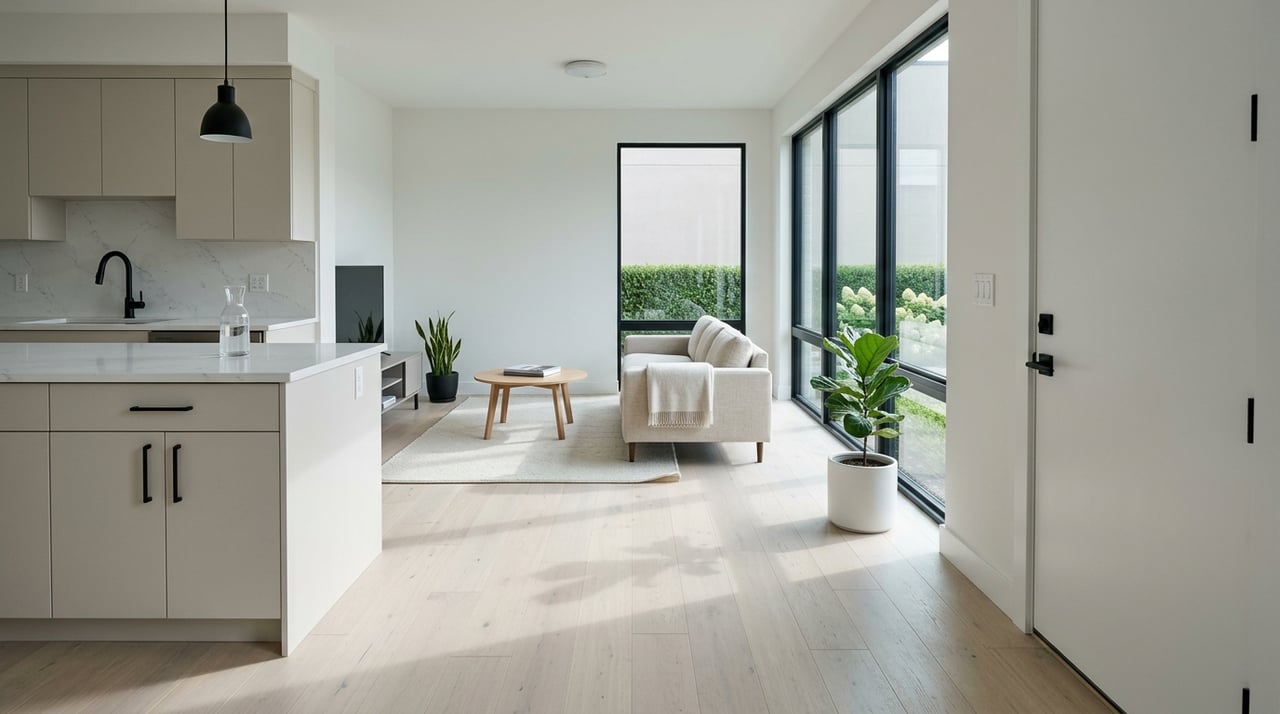
If you want to make a strong first impression in Bergen County, the work starts well before your home hits the market. In Hackensack, buyers have options, and even in a steady market, the homes that feel clean, cared for, and well prepared tend to stand out faster. The good news is that getting ready to list does not have to feel overwhelming when you follow the right order. Let’s break down what to do, when to do it, and where to focus your energy.
Why prep matters in Hackensack
In June 2026, Hackensack had 105 homes for sale, a median listing price of $320,500, a median sold price of $372,500, median days on market of 34, and a 99% sale-to-list ratio. That tells you demand is there, but buyers are still comparing what is available.
When buyers can scroll through many listings online, presentation matters. If your home feels unfinished, cluttered, or poorly photographed, it may sit longer than it should. A smart prep plan helps you show value clearly from day one.
Work backward from your list date
One of the easiest ways to stay organized is to plan backward from your photo shoot and list date. That keeps you from rushing key decisions at the last minute.
A practical sequence looks like this:
- Gather disclosures and records
- Decide on repairs and touch-ups
- Declutter and clean
- Stage key spaces
- Finish with photos and show-ready details
That order fits how buyers evaluate homes today and also helps you stay aligned with New Jersey disclosure and compliance steps.
8 to 12 weeks before listing
Start with paperwork and property history
Before you paint a wall or move a piece of furniture, get your records together. If you have manuals, warranties, guarantees, or service records for items staying with the home, collect them early.
If your home has had water intrusion, basement dampness, or any flood exposure, this is especially important. New Jersey’s seller disclosure form includes questions about flood history, flood zones, prior flood damage, pooled water, and flood insurance obligations, and the state says this disclosure is required before contract signing.
Make repair decisions early
This is also the time to decide what you will fix, what you will price around, and what you may leave as-is. A pre-sale inspection is not required, but it can help you spot issues before a buyer does.
If you know a roof, HVAC system, or appliance may be nearing the end of its life, get cost estimates now. Even if you decide not to replace something, knowing the numbers helps you make a cleaner pricing and negotiation plan.
4 to 6 weeks before listing
Focus on decluttering and deep cleaning
Once the big decisions are made, shift to presentation. This is the stage where decluttering, deep cleaning, and simple cosmetic touch-ups can make a noticeable difference.
Prioritize the items buyers and photographers notice most:
- Windows
- Carpets
- Light fixtures
- Walls
- Front entrance
- Paint touch-ups
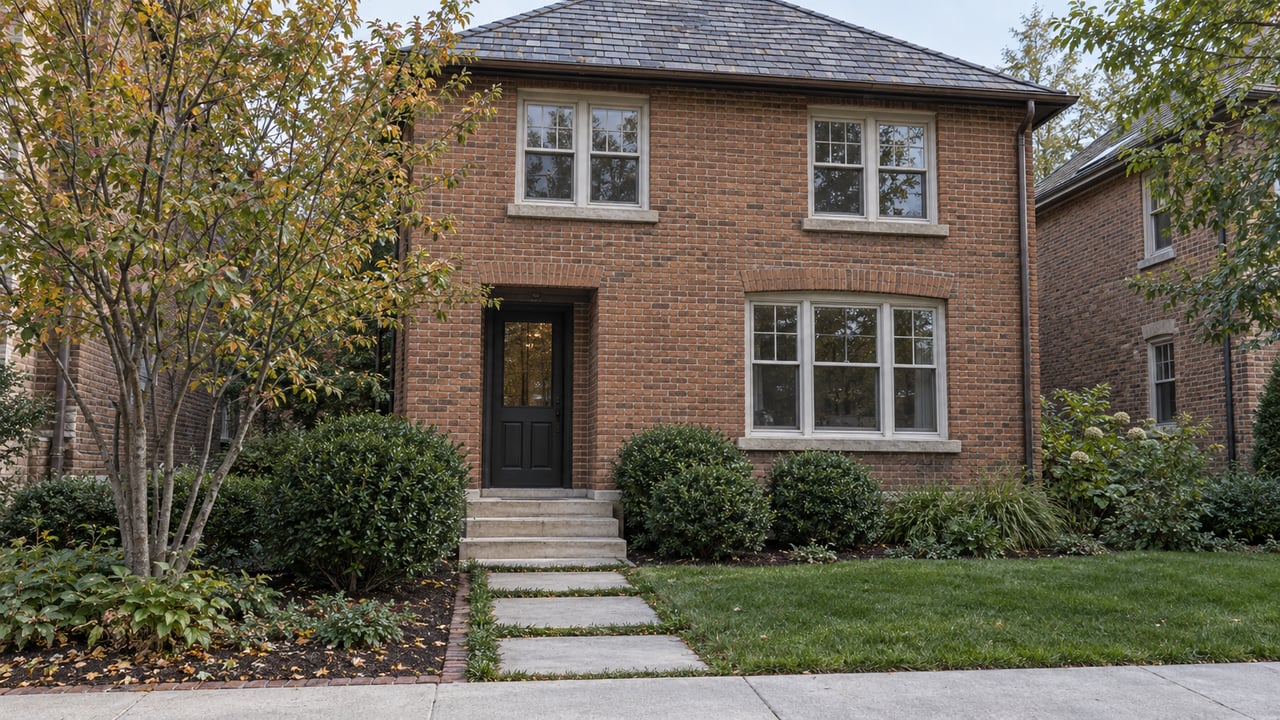
- General curb appeal
You do not need a full remodel to improve buyer perception. In many cases, a cleaner, brighter, simpler look does more than an expensive project.
Handle Hackensack compliance steps
If your property in Hackensack needs a smoke and carbon monoxide compliance certificate, schedule that early. Hackensack’s Fire Department notes that condo sellers need an appointment to obtain the certificate.
State fire-safety guidance also says one- and two-family dwellings need the certificate before sale or change of occupancy. The certificate is valid for six months, so timing matters.
1 to 2 weeks before listing
Stage the rooms that count most
As list day gets closer, focus on the rooms buyers are most likely to remember. In NAR’s 2025 survey, the most commonly staged rooms were the living room, primary bedroom, and dining room.
Staging is not about making your home look fake or overdone. It is about helping buyers picture how the space functions and feels.
Keep rooms open and storage believable
One common mistake is leaving too much furniture or too much stuff in closets and storage areas. Overfilled spaces can make the home feel smaller.
A helpful rule is to keep closets about half full. If a sofa, chair, or table makes a room feel tight, removing it may do more for your listing than adding new decor.
The improvements that usually matter most
Prioritize small fixes over major projects
Many sellers assume they need to renovate before listing. In reality, the most effective updates are often modest.
For Bergen County sellers, the best return often comes from:
- Clean, fresh paint
- Neutral styling
- Better lighting
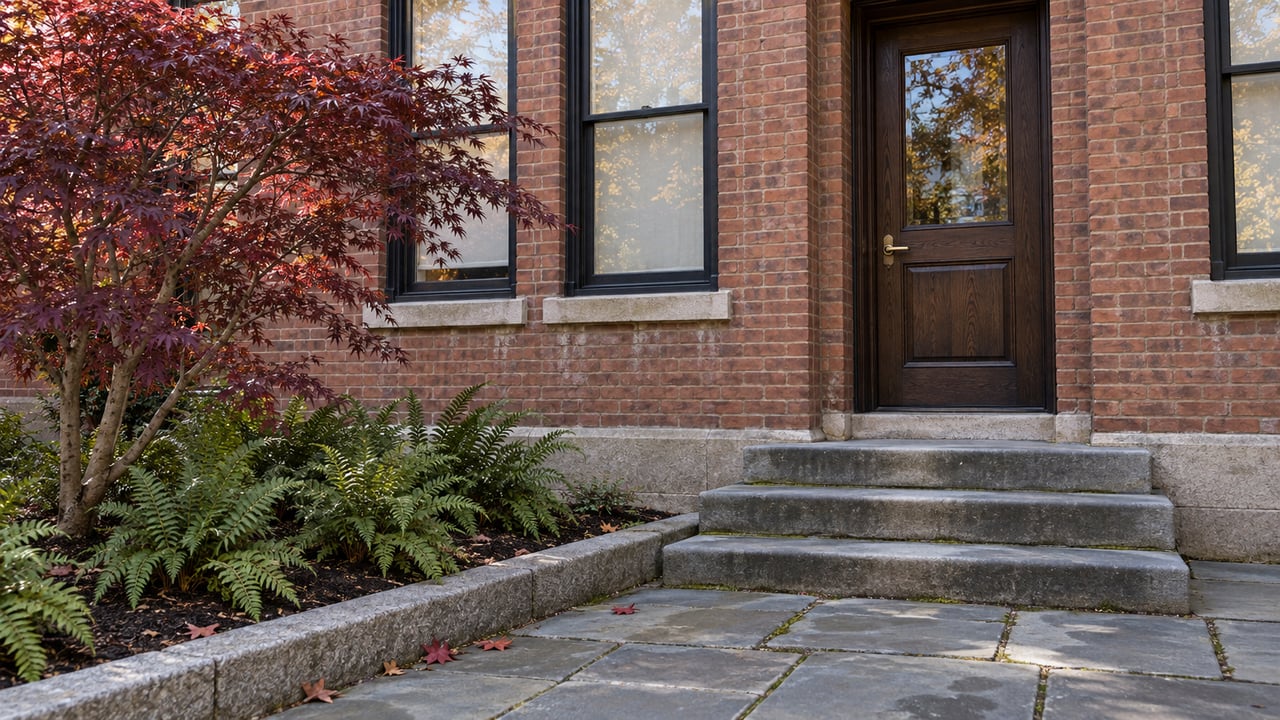
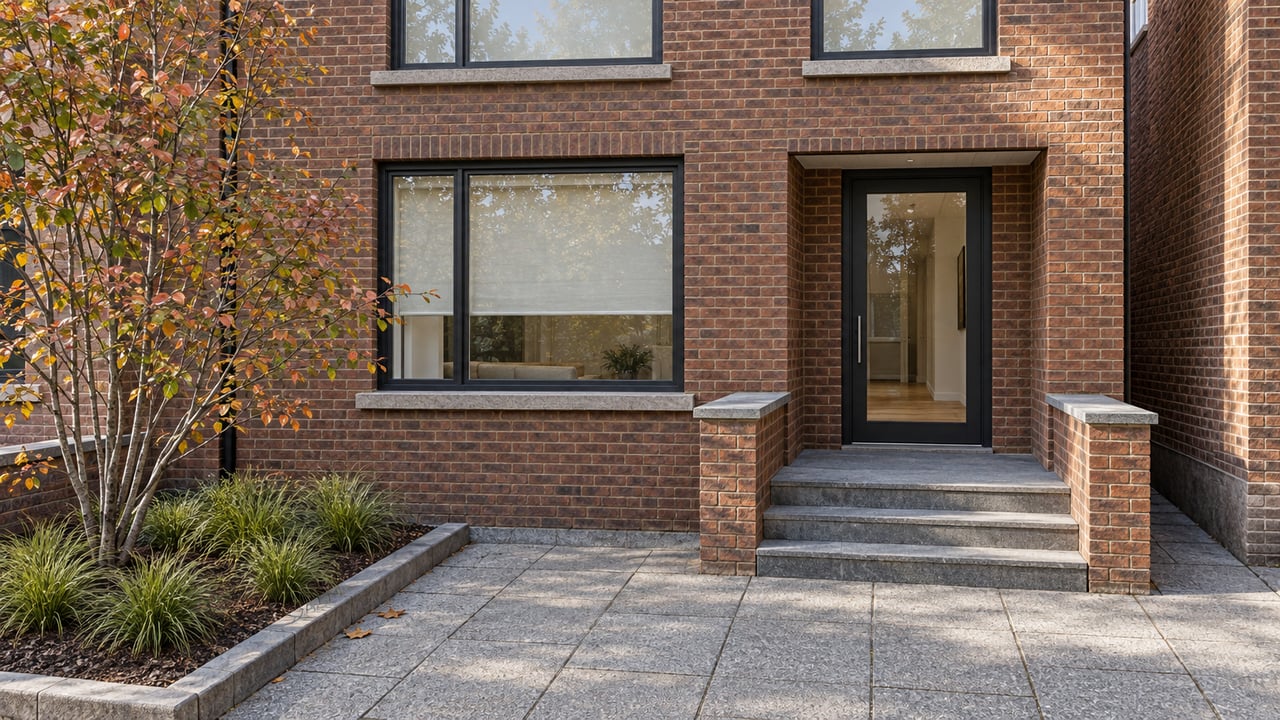
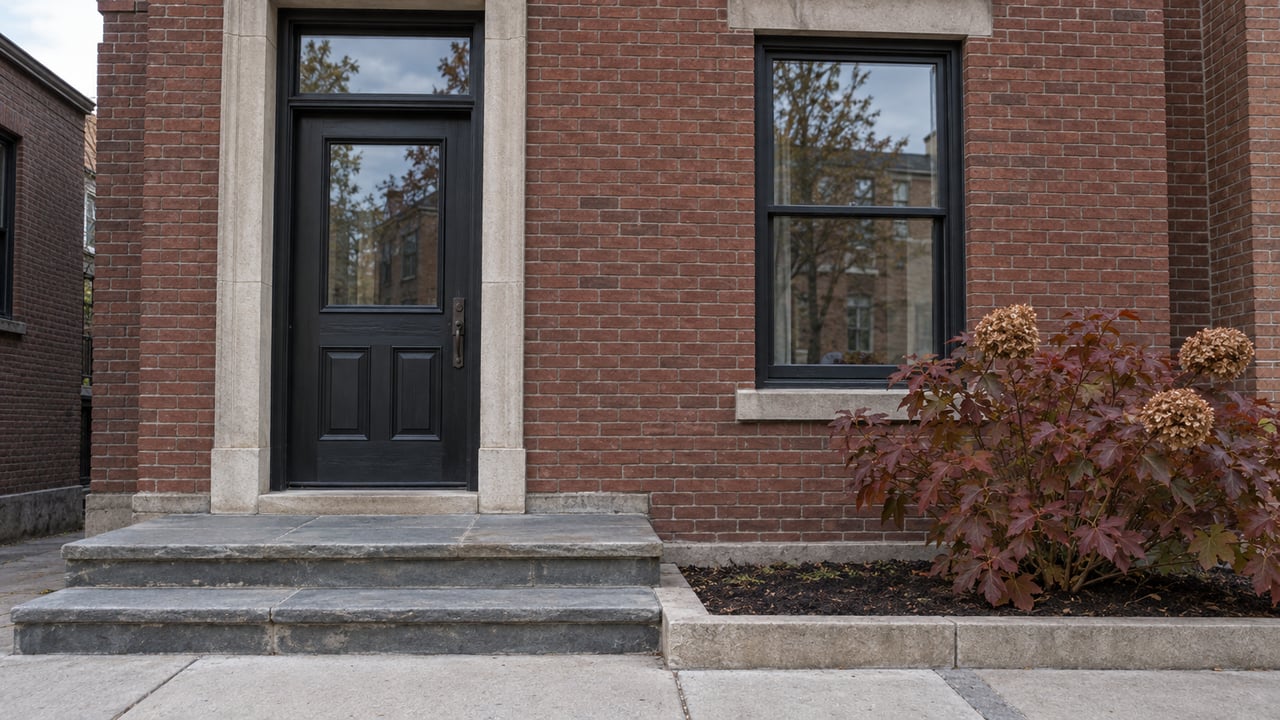
- A tidy entry
- Repaired small defects
- A spotless overall presentation
These changes help buyers focus on the home itself instead of its distractions.
Use simple styling to support the sale
A few thoughtful details can help a room feel polished without overspending. Fresh towels, new bedding, a small color accent, and a neat front entry with a mat and potted plants can go a long way.
According to NAR’s consumer staging guidance, staging is about presenting the property in its best light, not turning it into a renovation project. In its 2025 staging survey, 83% of buyers’ agents said staging made it easier for buyers to visualize the home as their future home, and more than a quarter said staged homes produced 1% to 10% more in offered dollar value.
Be careful with virtual staging
Virtual staging can help buyers understand an empty space, but it should be handled carefully. NAR says any material photo alteration should be disclosed so buyers are not misled.
The goal is to create clarity, not confusion. Your online presentation should match the in-person experience as closely as possible.
Prepare for photo day
Make the home camera ready
Most buyers start online, so photos and video are a key part of your launch. That means photo day should not be treated like an afterthought.
Before the shoot, make the home spotless and bright. Open blinds for natural light, clear surfaces, and remove visual distractions like refrigerator magnets or overly personal items.
Aim for consistency online and in person
Your home should feel the same in real life as it does in the listing photos. If the photos look clean and open but the showing feels crowded or messy, buyers notice that immediately.
A calm, edited, well-lit look tends to perform best. It helps buyers focus on space, layout, and condition.
Keep your home ready for showings
Build a simple showing routine
Once your home is active, keeping it show-ready becomes part of the process. The easier your routine, the less stressful this stage will feel.
Before each showing, focus on a short reset:
- Clear kitchen and bathroom surfaces
- Put personal items out of sight
- Tidy high-traffic areas
- Straighten pillows and bedding
- Make sure the entry looks clean and welcoming
Remove distractions
Clutter can pull attention away from your home’s best features. Overfilled rooms, neglected entryways, and highly personal decor can make it harder for buyers to connect with the space.
A clean and neutral setting helps buyers focus on the home, not on your belongings. That is the goal during every showing.
A practical listing prep checklist
If you want a simple way to organize the process, use this timeline:
8 to 12 weeks out
- Gather manuals, warranties, and repair records
- Review any known defects or recurring issues
- Collect flood or water-intrusion records if they apply
- Decide what to repair, price around, or leave as-is
- Consider a pre-sale inspection or repair estimates
4 to 6 weeks out
- Declutter room by room
- Deep clean the home
- Touch up paint and small defects
- Improve lighting and curb appeal
- Schedule smoke and carbon monoxide compliance steps if needed
1 to 2 weeks out
- Stage the living room, primary bedroom, and dining room
- Thin out closets and storage
- Remove bulky furniture if spaces feel tight
- Add simple finishing touches for photos
Photo day and showings
- Open blinds and maximize light
- Clear countertops and surfaces
- Remove magnets and visual distractions
- Keep the home spotless
- Maintain a quick daily reset for showings
The value of a disciplined plan
Selling a home is not just about putting a sign in the yard or uploading photos. It is about sequencing the right steps so your home enters the market in its strongest position.
For Hackensack sellers, that usually means handling disclosures and compliance first, making repair decisions second, and saving staging and final cleanup for the last stretch. When you prepare in that order, you reduce stress and give your home the best chance to make a strong impression from the start.
If you are getting ready to sell in Bergen County and want a clear, high-touch plan for timing, pricing, and presentation, Monica Capellan can help you prepare your home with confidence.
FAQs
What should I do first when getting my Hackensack home ready to list?
- Start by gathering disclosures, repair records, manuals, warranties, and any documentation related to water intrusion or flood history before moving on to cosmetic prep.
How far in advance should I prepare my Bergen County home for sale?
- A practical timeline is to begin 8 to 12 weeks before listing so you have time for paperwork, repair decisions, decluttering, staging, and photography.
What home improvements matter most before listing in Hackensack?
- The updates that usually matter most are deep cleaning, paint touch-ups, better lighting, small repairs, decluttering, and a tidy front entry rather than major renovations.
Do sellers in Hackensack need a smoke and carbon monoxide certificate?
- Hackensack sellers may need a smoke and carbon monoxide compliance certificate, and local and state guidance says this step should be handled before sale or change of occupancy, with timing planned early.
How important is staging when selling a Bergen County home?
- Staging can be very helpful because it makes it easier for buyers to picture themselves in the home, especially in key spaces like the living room, primary bedroom, and dining room.
How should I get my home ready for listing photos and showings?
- Make the home spotless, open blinds for natural light, clear surfaces, remove distractions, and keep the in-person showing condition consistent with the online photos.